


Avoid high costs for your building plan and start addressing the impact on the wind climate early in the design process.
Crateo offers wind expertise and wind research using Computational Fluid Dynamics (CFD) for high-rise plans in urban environments.
Avoid high costs for your construction plan and start addressing the impact on the wind climate early in the design process.
Crateo offers wind expertise and wind research using Computational Fluid Dynamics (CFD) for high-rise plans in urban environments.
Wind climate as the foundation for a livable, future-proof city
Cities are densifying at a rapid pace. Land is becoming scarcer, the housing market is under pressure, and climate change places new demands on our living environment. As a result, cities are increasingly coming under strain.
What does the city of the future look like? Our daily choices help determine that direction. Since 2000, the number of high-rise projects has increased significantly, and this trend is expected to continue. Tall buildings are an inseparable part of their surroundings and influence their livability. An important aspect of this is the way in which high-rise buildings change the wind climate in and around the city.
Crateo was founded by Dimitrios van der Werff, an expert in urban wind climate. The name Crateo is derived from the Greek word cratos, which means 'to control'. That meaning forms the core of our mission: supporting decision-making regarding the impact of new construction plans on the wind climate in the built environment.
How does Crateo make the difference?

Time = money
By taking the impact of your project on the wind climate into account early on, you gain a lot of time and save a lot of money. Think of design adjustments and decision-making. At Crateo, we can estimate the impact in an early design phase using Quick-scans.
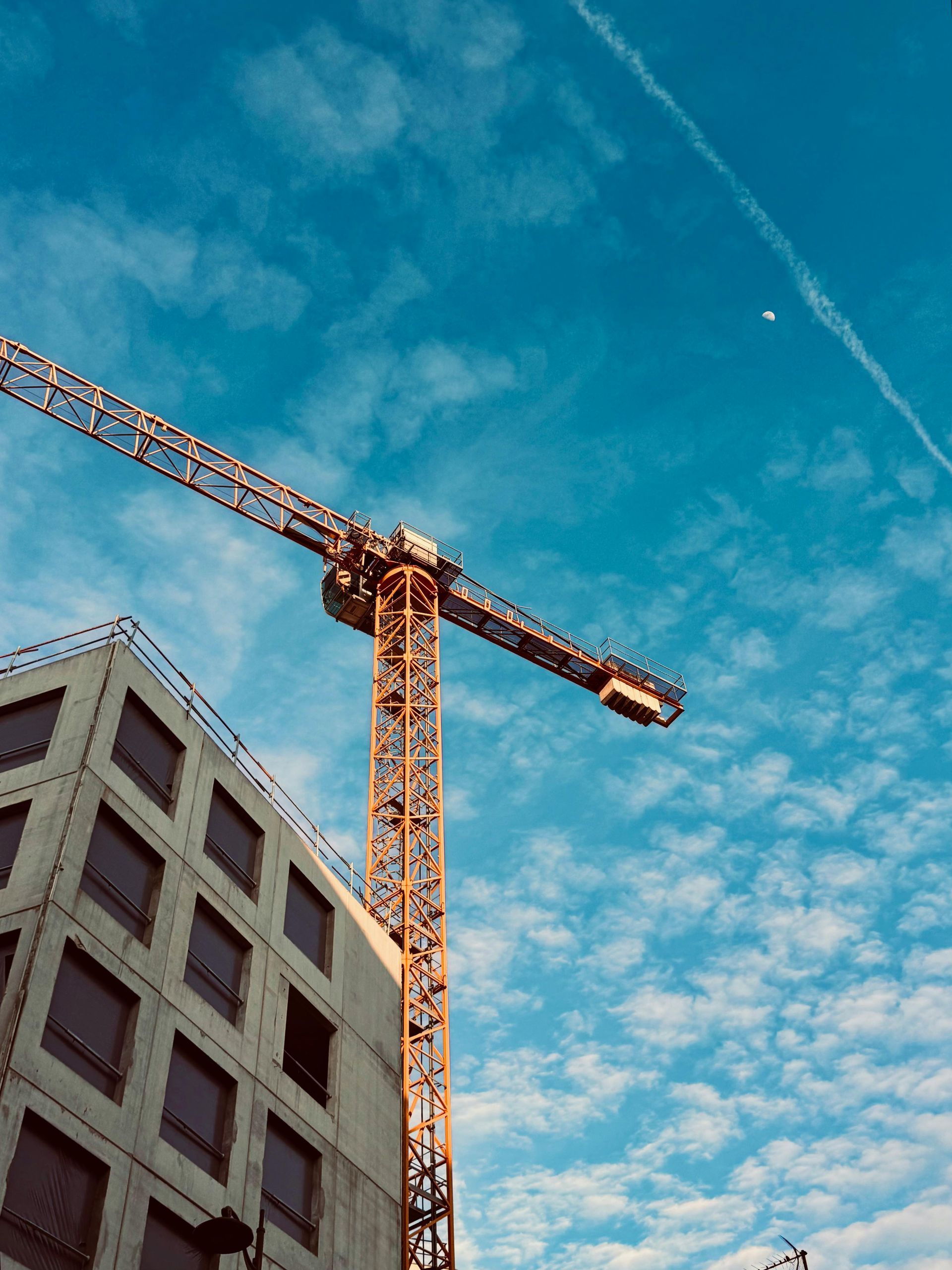
Regulations & permit
At Crateo, we are up to date with current regulations regarding wind nuisance and wind hazard in the built environment. Furthermore, we are involved in the updating of NEN 8100 wind nuisance and wind hazard for the built environment.
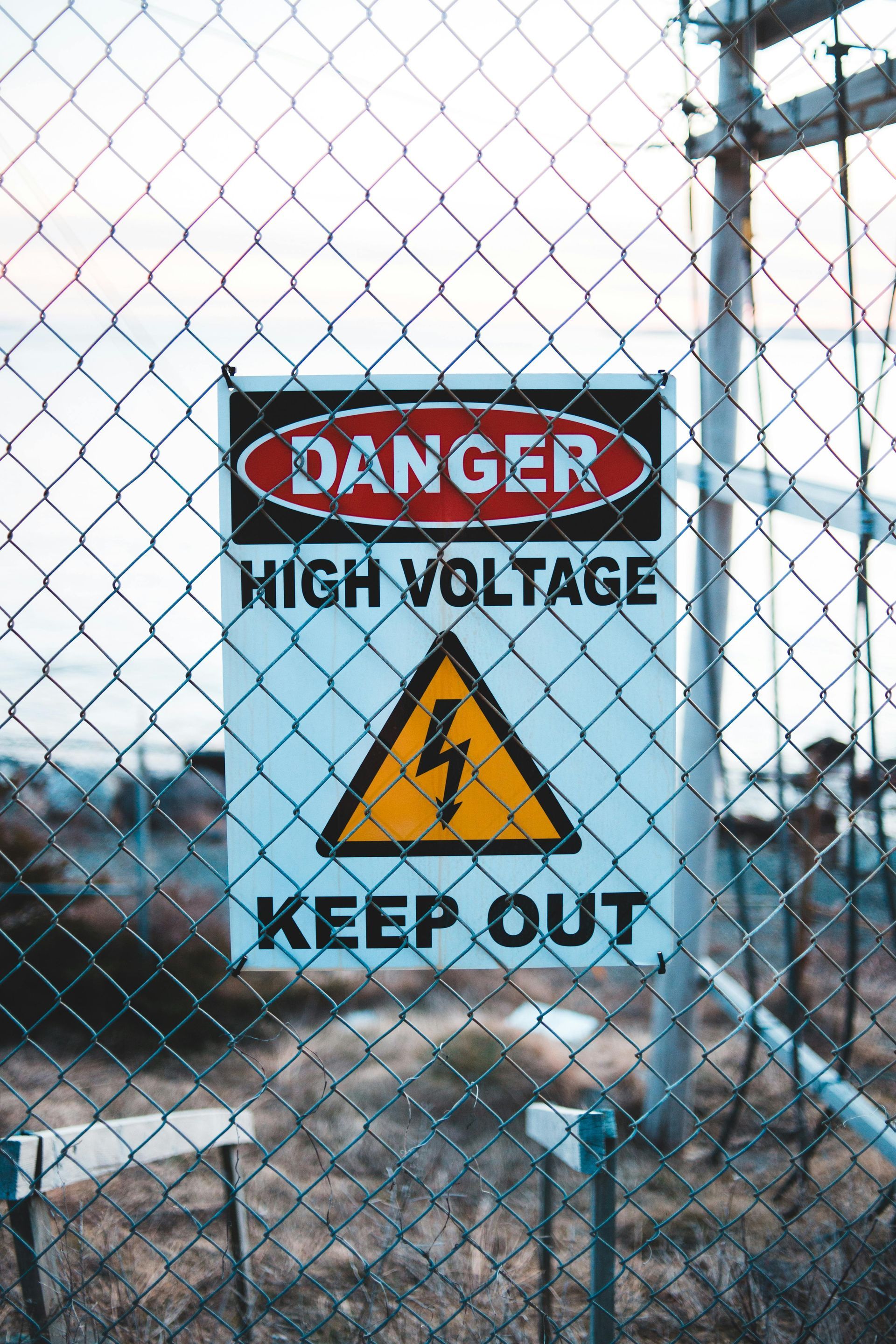
Public space safety
A wind study is legally essential to refute or avoid objections afterwards. The earlier the wind study is included in the design process, the lower the chance of unforeseen delays at the end of the design process.
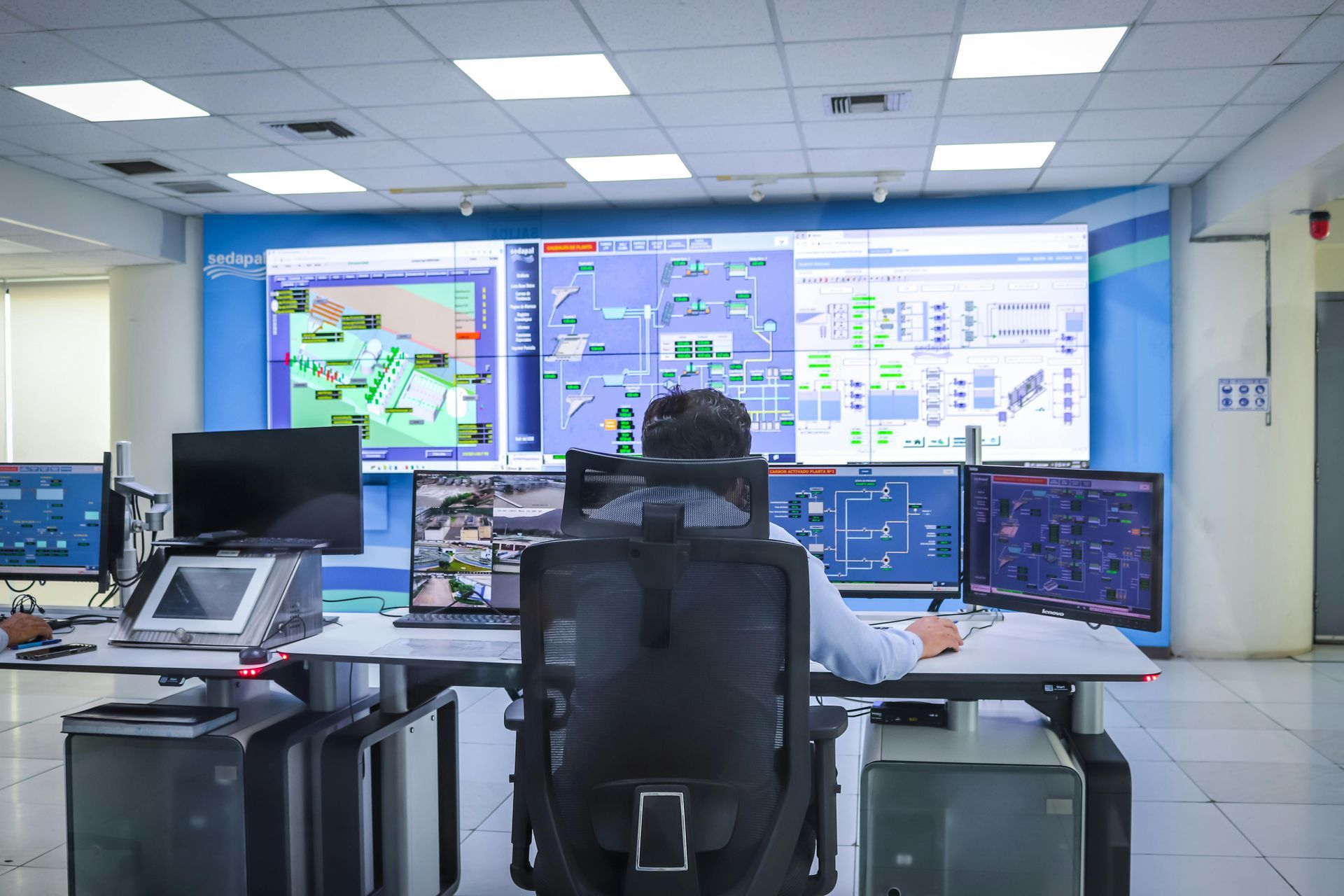
Risk management
Less uncertainty in feasibility, planning, and investment decisions.
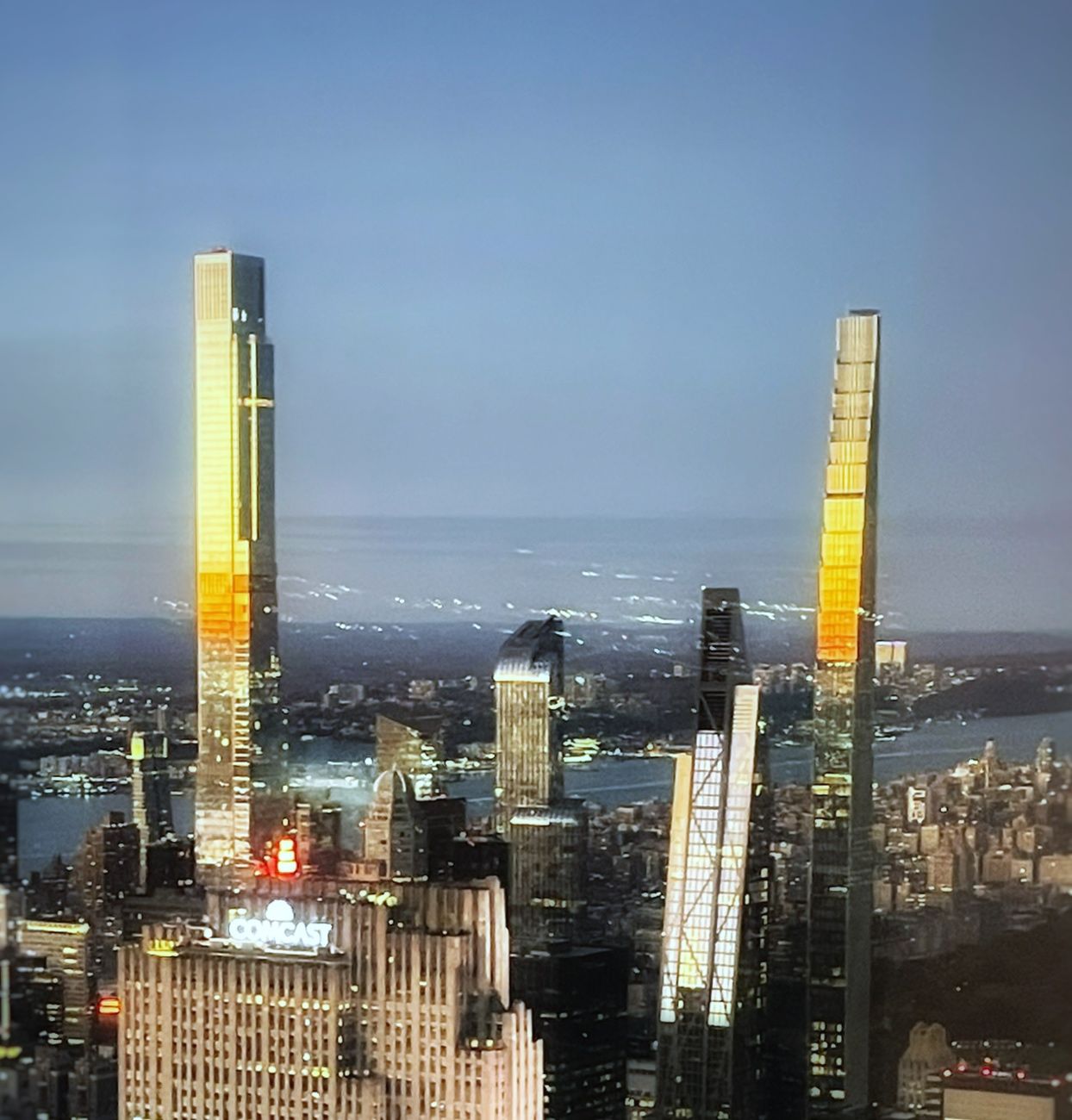
Design integrity
Design modifications can compromise the aesthetics of the design. By assessing the impact of the design on the wind climate in a timely manner, you avoid emergency measures at the end of the design phase.
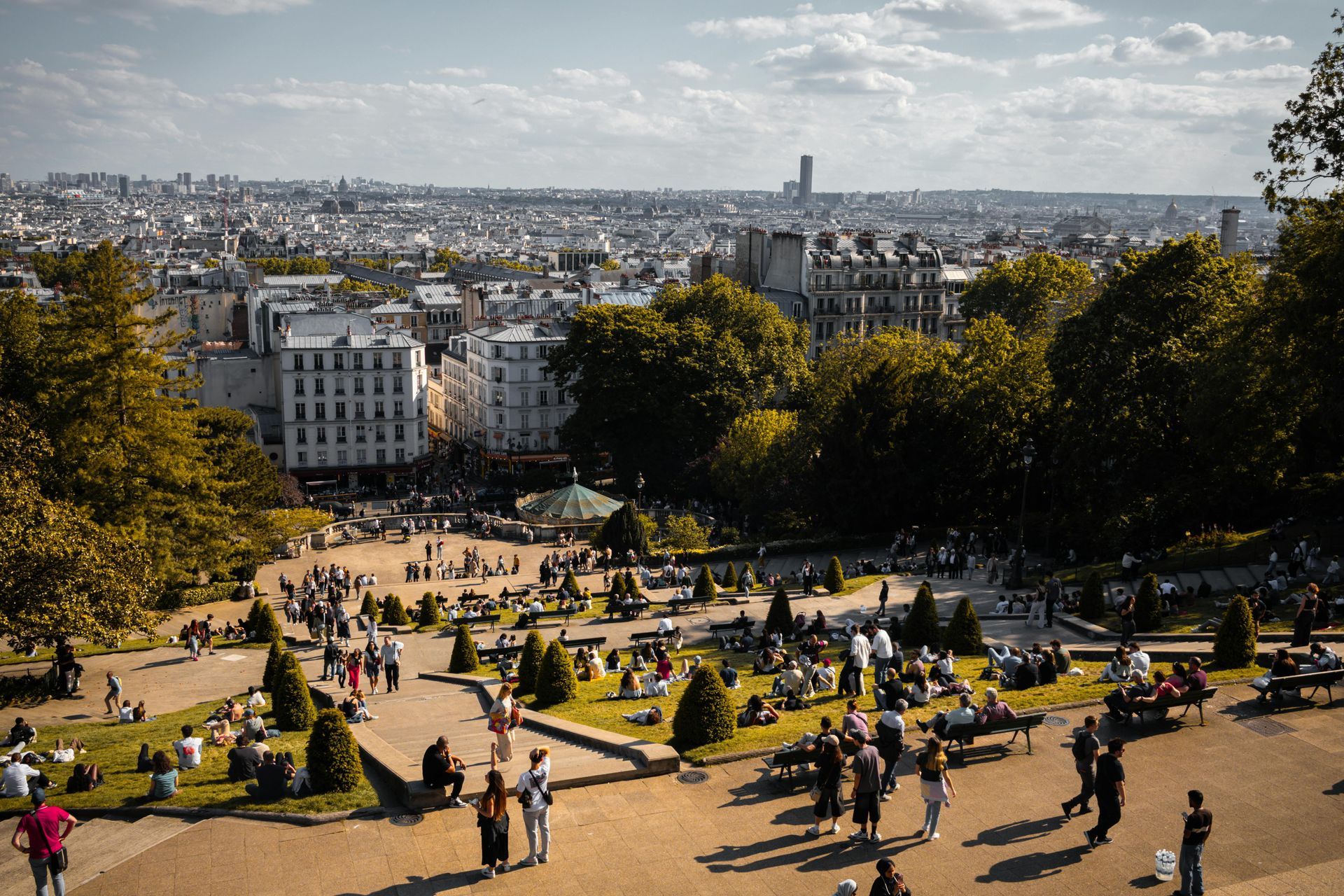
Comfortable living environment
A good quality of the living environment increases the value of a development plan. Controlling the local wind climate is extremely essential in this regard.
Wind-expert
With Crateo, you have an in-house expert in researching and advising on the impact of new construction plans on the wind climate in the built environment. Crateo supports architects, (area) developers, municipalities, engineering firms, and objectors to reduce the impact of a construction plan and keep it acceptable within the established frameworks of municipal or provincial (high-rise) policy.
Advice
In addition to well-substantiated reports, we translate the results into practical design changes and measures to create an acceptable wind climate. All of this is done in consultation with one another and with a holistic vision.

Time = money
By taking the impact of your project on the wind climate into account early on, you save a lot of time and money.
Capacity
If your organization lacks the necessary expertise or capacity to conduct wind surveys, we can provide support in this area.
Risicobeheersing
A thorough wind study is legally essential to refute or avoid objections afterwards.
To collaborate
Collaboration is essential to achieve a good and effective process. When we join forces and exchange ideas, we can find creative solutions that might otherwise not come to fruition. This is not only valuable, but it is literally worth its weight in gold. Through our collaboration, we can achieve great results and realize our goals together.

Independent
Crateo offers independent advice. When investigating wind climates and sharing our expertise, the objective evaluation of the results is paramount.

Up-to-date
Crateo offers independent advice. When investigating wind climates and sharing our expertise, the objective evaluation of the results is paramount.
Select your wind profile
Expertise
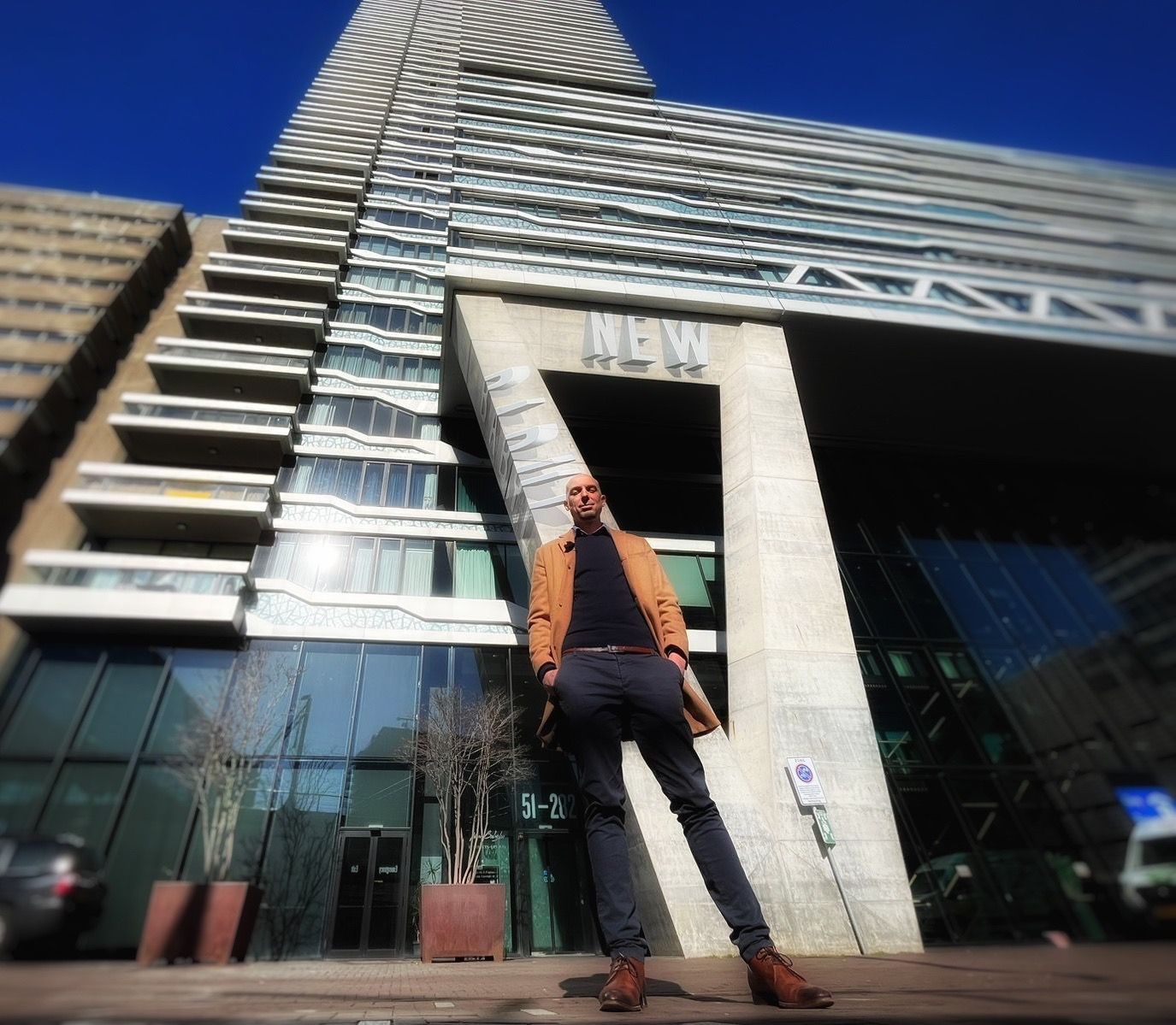
Wind Expert
Early assessment of the risks of the new construction plan regarding the local wind climate is essential. Providing valuable advice is our top priority and begins with a personal initial consultation.
Expert meeting for your project (non-binding)
External wind expert in your project team
Expert session within a project
We offer wind research regarding the impact of construction plans in the built environment. There are various options:
Wind research
Quick scan, ideal for assessing risks during the design phase
Quick scan (NEN8100 approved for buildings between 15m and 30m high)
Wind research with CFD according to NEN8100 (in accordance with regulations)
Second-opinions
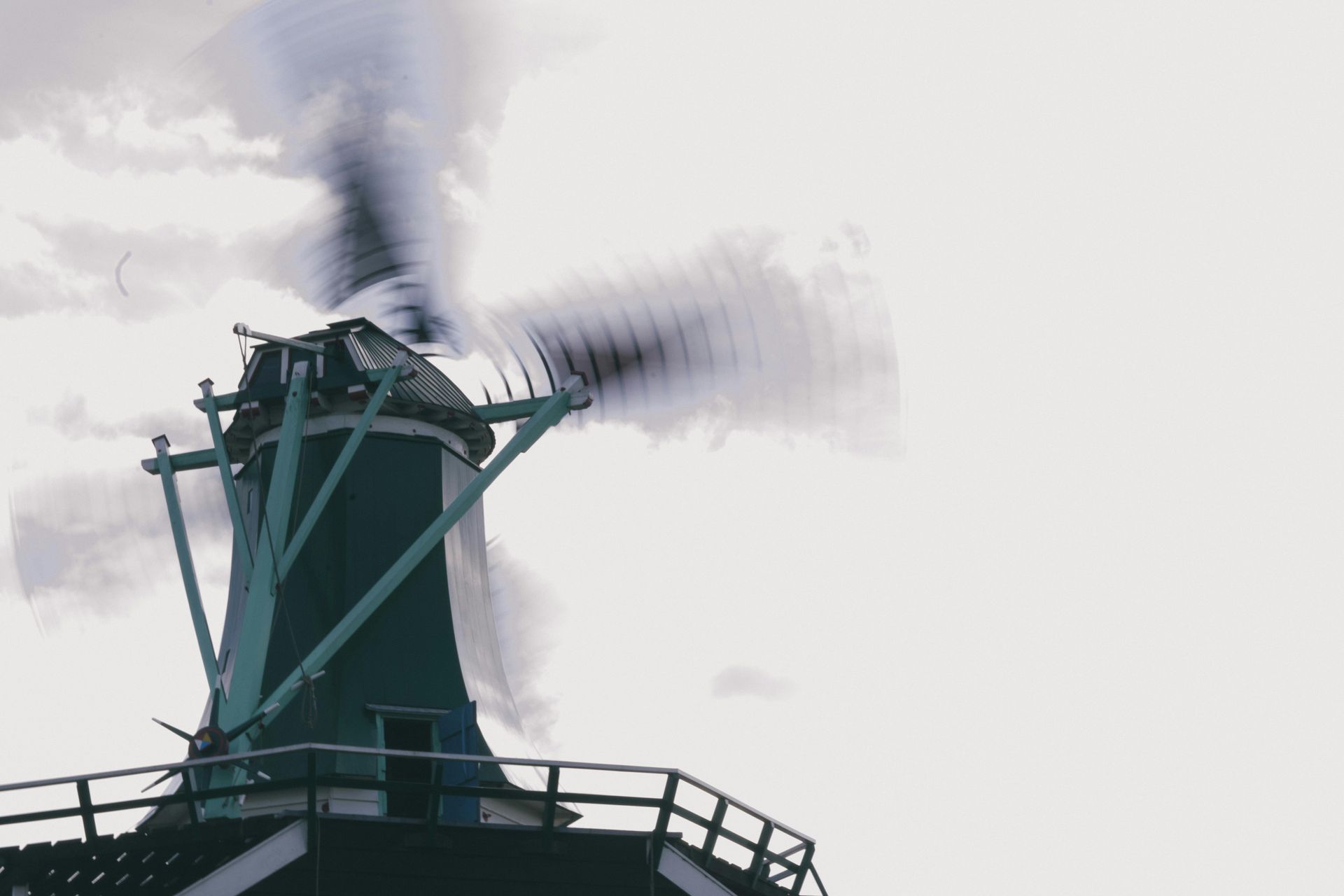
Additional investigations
New construction plans may also involve other (mandatory) surveys. Examples include research into Old Dutch windmills and wind rights. Crateo offers these surveys as well.
Mill biotope research Old Dutch windmills
Impact on energy production by onshore wind turbines
Wind turbulence for landing and departing air traffic
New construction plans may also involve other (mandatory) surveys. Examples include research into Old Dutch windmills and wind rights. Crateo offers these surveys as well.
Additional investigations
Mill biotope research Old Dutch windmills
Impact on energy production by onshore wind turbines
Wind turbulence for landing and departing air traffic
We offer wind research regarding the impact of construction plans in the built environment. There are various options:
Wind research
Quick scan, ideal for assessing risks during the design phase
Quick scan (NEN8100 approved for buildings between 15m and 30m high)
Wind research with CFD according to NEN8100 (in accordance with regulations)
Second-opinions
Wind Expert
Early assessment of the risks of the new construction plan regarding the local wind climate is essential. Providing valuable advice is our top priority and begins with a personal initial consultation.
Expert meeting for your project (non-binding)
External wind expert in your project team
Expert session within a project
Wind Expert
Early assessment of the risks of the new construction plan regarding the local wind climate is essential. Providing valuable advice is our top priority and begins with a personal initial consultation.
Expert meeting for your project (non-binding)
External wind expert in your project team
Expert session within a project
We offer wind research regarding the impact of construction plans in the built environment. There are various options:
Wind research
Quick scan, ideal for assessing risks during the design phase
Quick scan (NEN8100 approved for buildings between 15m and 30m high)
Wind research with CFD according to NEN8100 (in accordance with regulations)
Second-opinions
New construction plans may also involve other (mandatory) surveys. Examples include research into Old Dutch windmills and wind rights. Crateo offers these surveys as well.
Additional investigations
Mill biotope
research Old Dutch windmills
Impact on energy production by onshore wind turbines
Wind turbulence for landing and departing air traffic
Strengthen your project team with specialized CFD expertise
Suitable for integration within multidisciplinary teams of engineering firms and designers

Specialized expertise
Supplementing existing disciplines with the impact of your design towards the built envrironment
Strengthen your project team with specialized CFD expertise
Suitable for integration within multidisciplinary teams of engineering firms and designers
Experience
Wind research involves wind statistics, hence some statistics are included here to illustrate experience.
10+
Years of supporting design teams on complex urban projects with wind studies
100+
More than 100 construction projects provided with advice and practical measures based on wind research.
1000+
More than 1,000 CFD analyses deployed to visualize the impact of the wind climate and to substantiate design adjustments at an early stage.
$
Committee member for the update of NEN8100 wind nuisance and wind hazard in the built environment.
Faq
Frequently Asked Questions
When is a wind survey necessary?
A wind study is required for high-rise buildings, in accordance with municipal high-rise policy. Reference is almost always made to NEN 8100:2006 on wind nuisance in the built environment. This standard includes a decision model. For building plans between 15 and 30 meters, an assessment by a wind expert is required. Above 30 meters, a quantitative wind study is required using Computational Fluid Dynamics (CFD) or in a wind tunnel. Municipalities may deviate from these heights in their policy.
At which stage of the design should a wind study be conducted?
Ideally, as early as possible in the design and area development as part of spatial planning.
What standards and regulations must a wind study comply with?
As indicated, a wind study falls under the high-rise building policy of municipalities. A link is often made within this framework to the criteria of NEN8100: 2006 Wind nuisance and wind hazard in the built environment. An update of this standard is currently underway, in which Crateo is also participating.
What are the concrete results of a wind study?
A wind study provides insight into:
- locations with increased risk of wind nuisance or wind hazard
- effects of building shape and positioning
- possible measures to improve the wind climate
In addition, it provides substantiation for:
- design choices
- communication with stakeholders
- permitting processes
How much does a wind survey cost?
The costs depend on:
- scope and complexity of the project
- number of variants to be analyzed
- desired level of detail
An early-stage wind study is typically a relatively limited investment, while yielding potential savings by preventing redesign and delays.
What is the advantage of CFD compared to wind tunnel testing?
In the wind tunnel, a physical measurement of the airflow is performed over a scale model. With CFD, a numerical simulation is performed in which the airflow over a digital model is calculated. Both methods are accepted and reliable for determining wind nuisance and wind hazard in the built environment. Advantages of CFD include:
- Fast, flexible, reliable, and generally cheaper.
- The graphical presentation with CFD is clearer (with colors representing a comfort class instead of measured values).
- The effect of measures can be determined more accurately.
- Adjustments to the design or measures can be easily implemented without the need for a new measurement session in the wind tunnel (= usually weeks of waiting time).
How reliable are CFD simulations?
When used and interpreted correctly, CFD simulations provide a realistic and usable picture of wind flows in urban environments. Correct use depends on:
- modeling of the environment
- calculation grid settings
- assumptions for the calculations
The most important factor here is actually the analyst's experience.
How long does a wind survey take?
The turnaround time depends on the complexity and level of detail, but is typically between a few days and a few weeks.
Rapid analyses in early design phases are often possible, allowing design teams to immediately steer towards better solutions.
What happens if a design does not comply with the regulations?
If the analysis reveals non-compliance, targeted measures are proposed to improve the design. If that is also insufficient, discussions can be held with the municipality regarding the public layout.
Can a wind study help accelerate permit processes?
Yes. A well-substantiated wind study provides clarity to municipalities and other stakeholders.
This helps to:
- to prevent discussions
- to accelerate decision-making
- to identify risks early on
As a result, the permit process is often more efficient.
Do you have a building plan where wind plays a role?
Contact us for an initial assessment and tailored advice.
